Behind the Screens: Regulatory Influences on Game Provider Choices for Mobile Live Play in Canada
Dana Jenkins · Sep 29, 2026

Behind the Screens: Regulatory Influences on Game Provider Choices for Mobile Live Play in Canada
Provincial regulations across Canada shape the selection of game providers for mobile live play platforms in distinct ways, with each jurisdiction maintaining separate approval processes that operators must navigate before offering live dealer games on smartphones and tablets. Data from industry reports shows that providers such as Evolution Gaming and Playtech receive certification only after demonstrating compliance with technical standards set by bodies like the Alcohol and Gaming Commission of Ontario, while other provinces apply their own review criteria that emphasize security protocols and fair play mechanisms.
Provincial Licensing Structures and Provider Approvals
Ontario's regulated iGaming market requires game providers to undergo rigorous testing through the AGCO's framework, which evaluates software integrity, random number generation, and mobile compatibility before any title reaches players. Operators in the province select providers that hold pre-approved status to streamline integration, and this process has led to partnerships with companies that maintain dedicated compliance teams familiar with Canadian standards. In contrast, British Columbia and Quebec maintain different oversight models where lottery corporations handle supplier vetting, often favoring providers with established track records in land-based operations that transition smoothly to mobile formats.
Research from the Canadian Gaming Association indicates that these varying requirements create a patchwork effect where providers must customize their offerings by province, including adjustments to latency handling for live video streams on mobile networks. Those who've examined licensing pathways note that companies investing in region-specific adaptations secure more contracts because they align with local expectations around data protection and responsible gaming features embedded in live dealer interfaces.
Mobile Technology Demands Under Regulatory Scrutiny
Live play on mobile devices introduces additional layers of oversight focused on streaming quality, device compatibility, and transaction security during real-time sessions. Regulators examine how providers handle interruptions in mobile connections without compromising game outcomes, and evidence from compliance audits reveals that only those with robust failover systems receive ongoing approvals. Providers must also integrate age verification tools and spending limits directly into mobile apps, requirements that influence which suppliers operators choose when expanding their live dealer portfolios.
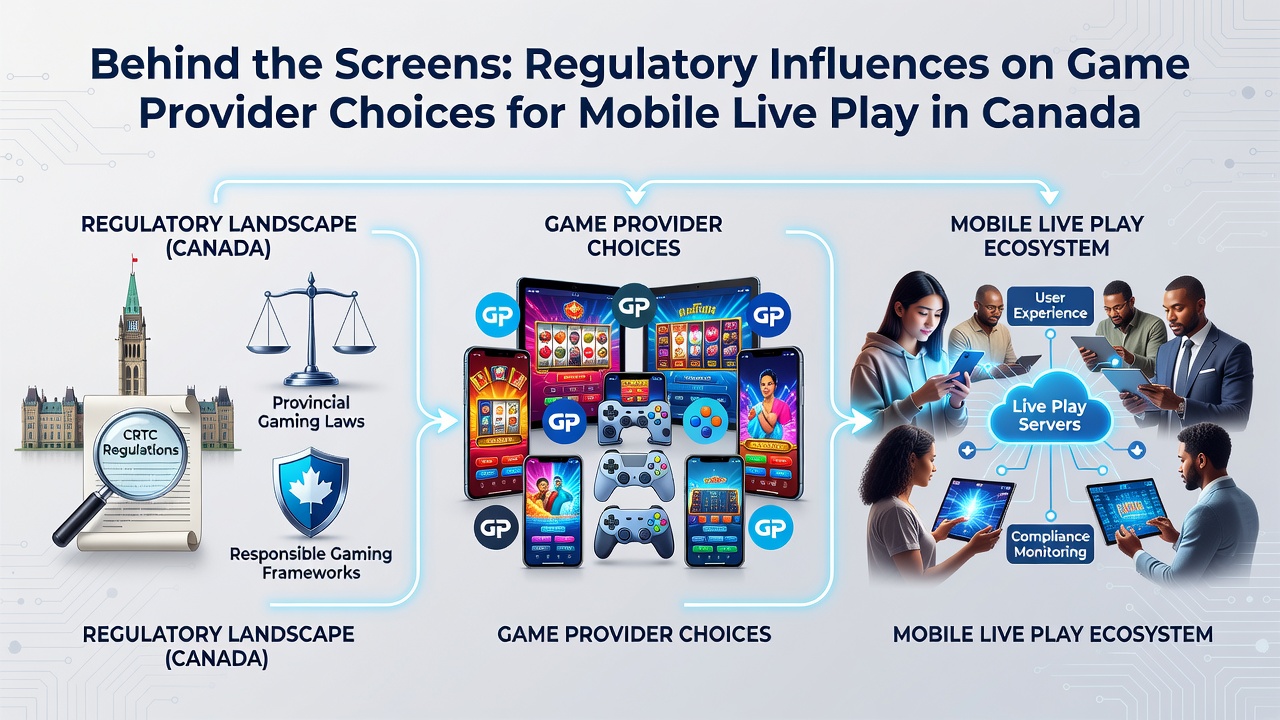
September 2026 marks the scheduled rollout of updated technical standards in Ontario that will require enhanced encryption for live video feeds on wireless networks, prompting operators to reassess their current provider agreements. Providers already equipped with adaptive bitrate technology stand positioned to meet these benchmarks without major overhauls, while others may face extended review periods before new games launch. This timeline aligns with broader efforts across multiple provinces to synchronize mobile security protocols with emerging federal guidelines on digital transactions.
Comparative Influences from Broader Regulatory Trends
Canadian operators often reference frameworks established in other jurisdictions when evaluating providers, including standards developed by the Malta Gaming Authority and guidelines from the New Jersey Division of Gaming Enforcement. These external benchmarks appear in internal assessments because they address similar challenges around mobile live streaming and cross-border data flows. Figures from international gaming reports reveal that providers certified under multiple systems gain preference since they reduce the administrative burden for operators managing multi-province deployments.
Academic studies conducted at institutions such as the University of Toronto's gaming research groups have documented how regulatory alignment affects provider market share, with data showing increased adoption of suppliers that prioritize open APIs for integration with provincial monitoring systems. Observers note that this trend extends to smaller providers entering the space, as they develop specialized mobile tools that satisfy both Canadian and international compliance checklists.
Operational Adjustments Driven by Compliance Needs
Game providers respond to regulatory pressures by modifying their development pipelines to include regular audits tailored to Canadian mobile environments. This includes embedding real-time reporting functions that transmit gameplay data directly to oversight bodies, a feature that has become standard in contracts with major operators. Those who've tracked supplier shifts observe that companies investing in these capabilities maintain stronger positions in tender processes compared to competitors focused solely on entertainment features.
Payment processing tied to live play sessions also falls under regulatory review, leading operators to select providers whose platforms support verified transaction methods approved in each province. Evidence suggests that integrated solutions combining game delivery with compliance reporting accelerate approval timelines and influence long-term provider retention rates across the sector.
Conclusion
Regulatory frameworks continue to direct provider choices for mobile live play by establishing clear technical and operational thresholds that vary by province yet share common priorities around security and fairness. As updates scheduled for September 2026 take effect alongside ongoing provincial reviews, operators and suppliers alike adjust strategies to maintain certification and market access. The resulting landscape reflects coordinated efforts between regulators and industry participants to support secure mobile gaming experiences while upholding distinct jurisdictional requirements.